Physically tested setups
PD-128 BC · 12-inch
Excellent sensitivity with a substantial reduction in hotspot.
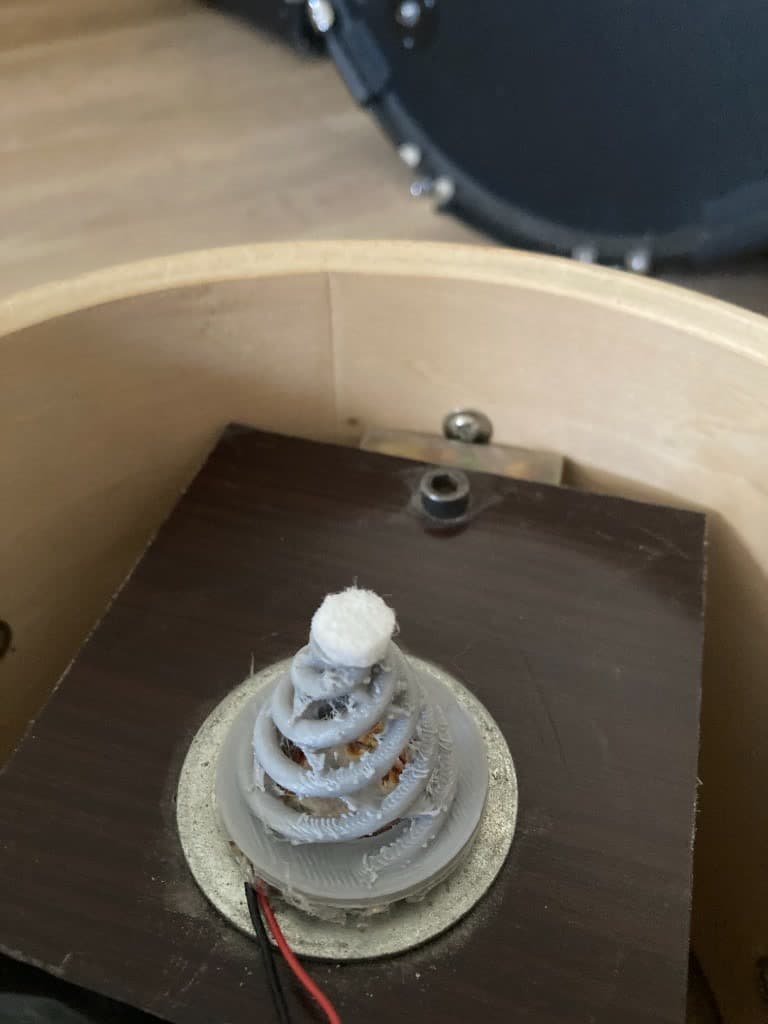
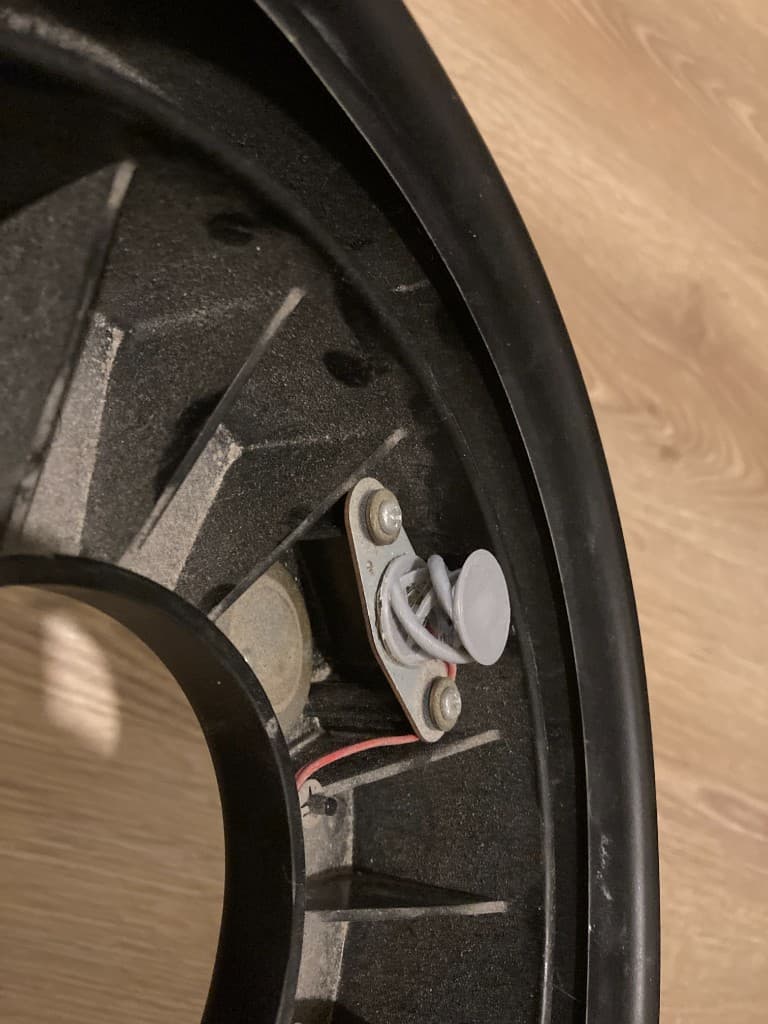
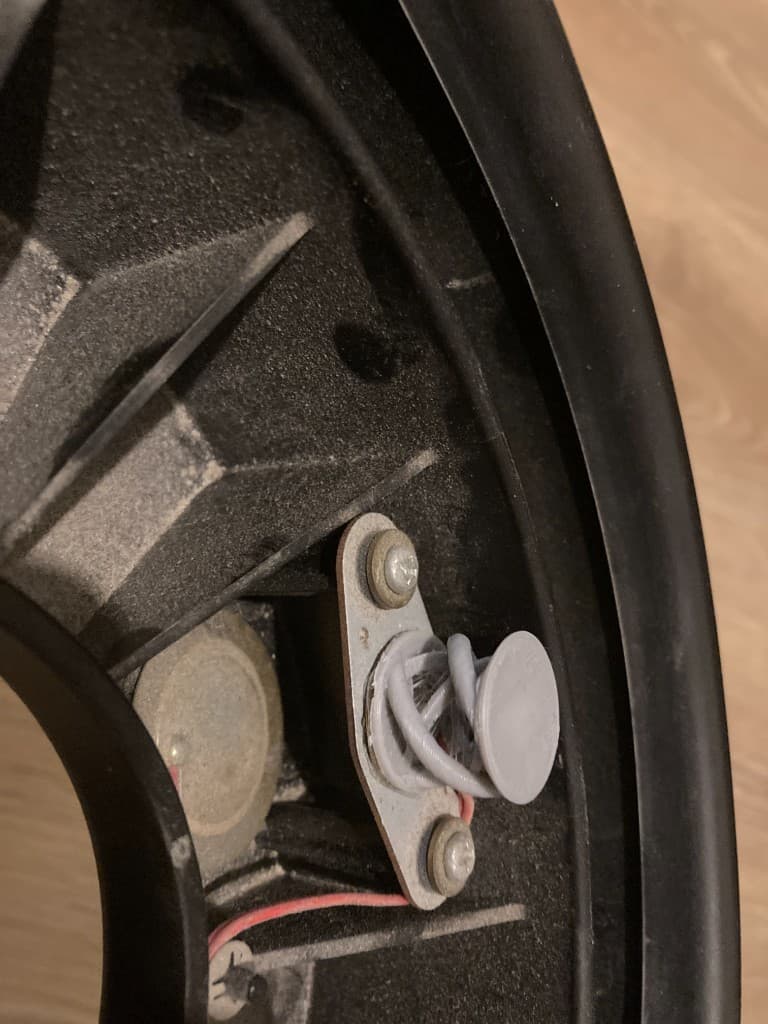
Custom DIY pad
Successful initial V30 functional test.
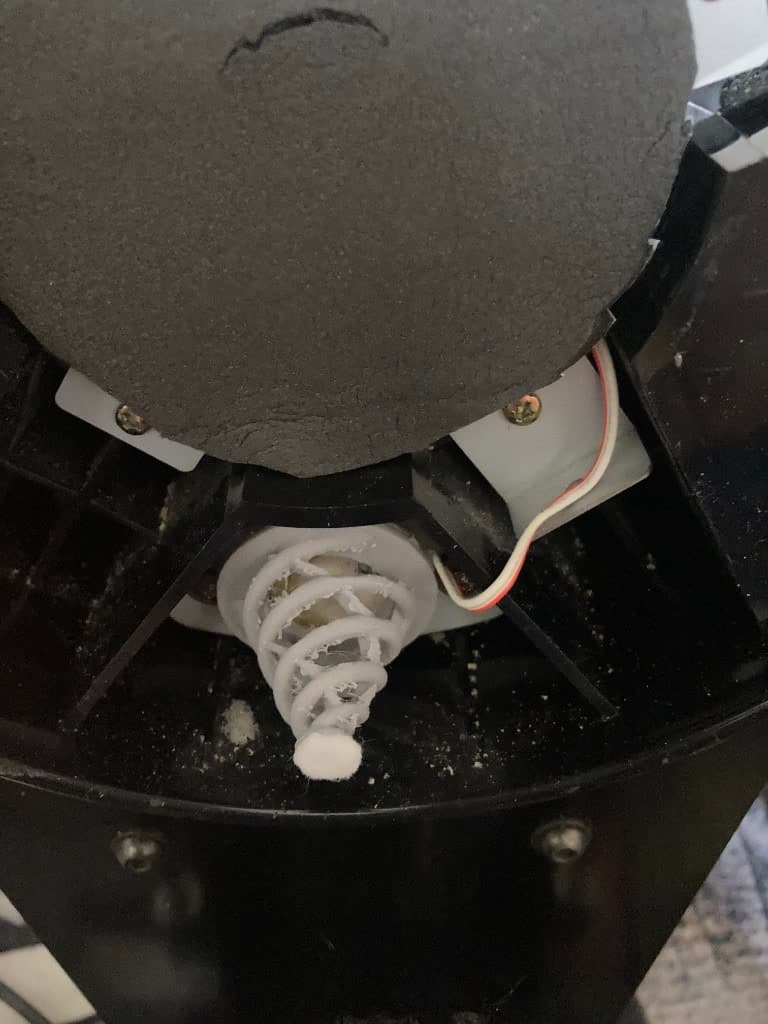
KD-85 kick pad
Successful initial V30 kick-pad test.
Physically tested · V30
A 3D-printable triple-helix TPU trigger cone engineered for mesh drum pads—high sensitivity, lower hotspot, open development.
01 / Design
Three helical spring arms translate head movement to the piezo while stabilizing membranes control lateral motion.
TriFlex replaces the conventional solid foam cone with a repeatable printed geometry. The open underside avoids a trapped air spring; a separate felt disc provides the compliant top interface.
Read the engineering notes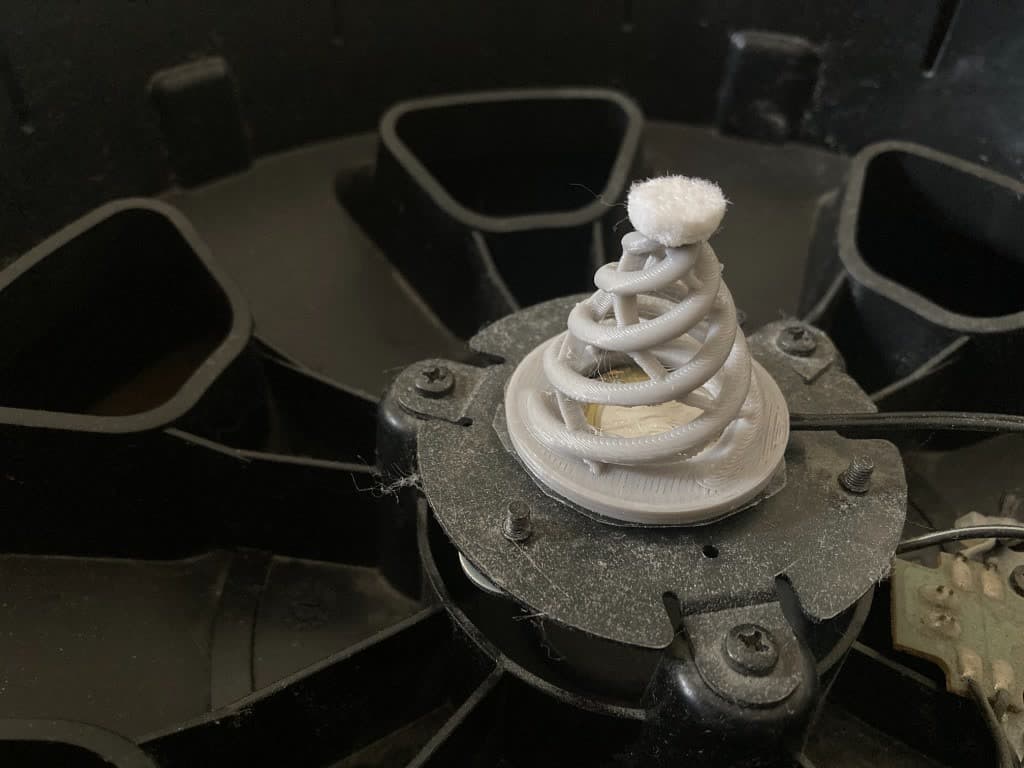
02 / Physical testing
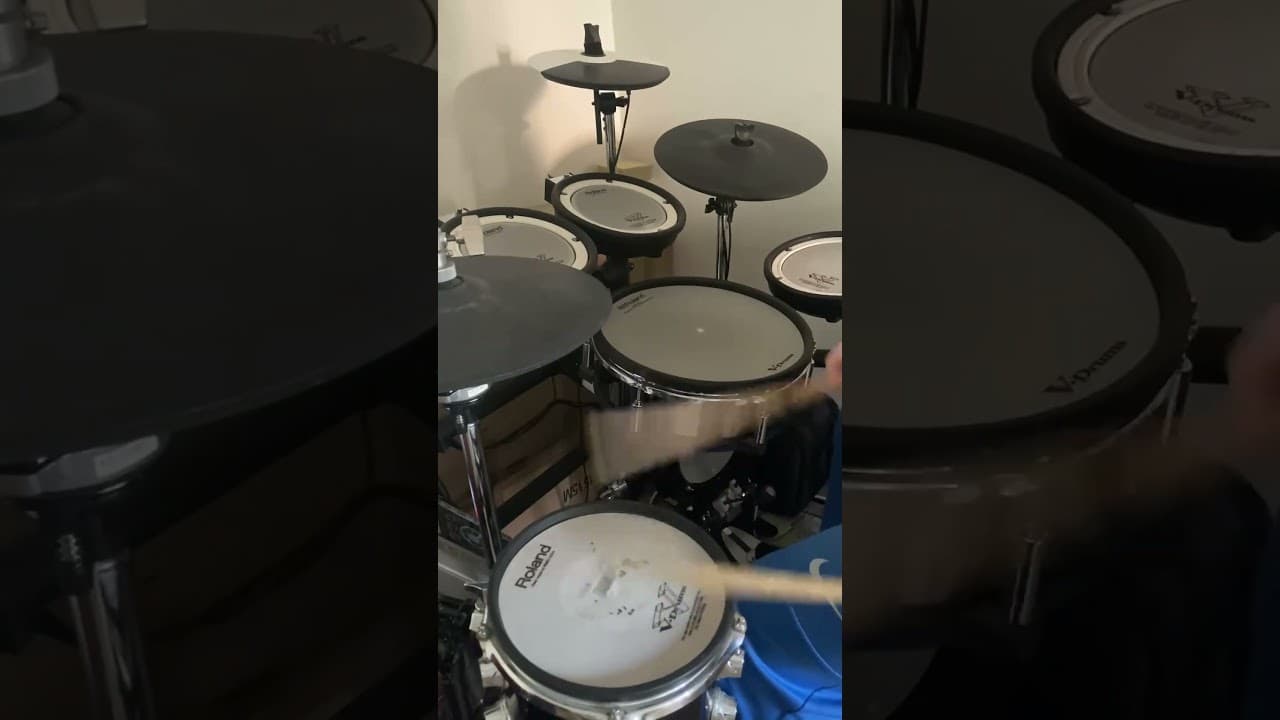 ▶SSD5 + raw acoustic audio · 01:00
Tested with a Roland TD-9 and two-ply mesh head across a 12-inch pad, a DIY pad and a kick pad.
03 / Build it
The version tested on real drums
04 / MiniFlex
Where a center cone does not fit, MiniFlex brings the TriFlex helix-and-membrane idea into a compact Ø20 × H16 mm cylinder.
Designed for short foam-cylinder envelopes on rim-side piezo pads. Opposite-wound membranes brace the arms; a thicker continuous base with an underside cable groove resists splay. Edge loading means there is no center hotspot to chase.
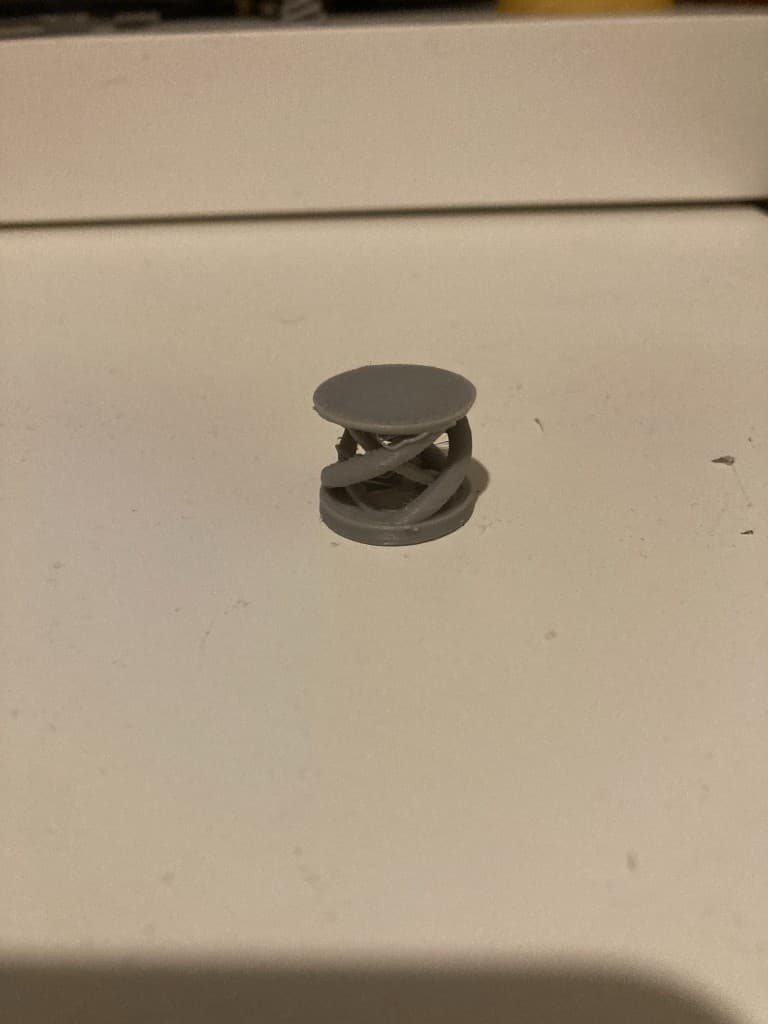
Short cylinder helix for rim-mounted piezo pads
05 / Practical guide
TriFlex is a mechanical component, not a universal drop-in replacement. Fit and module settings vary between pads. Start from the validated baseline and change one variable at a time.
Physically tested setups
Excellent sensitivity with a substantial reduction in hotspot.
Successful initial V30 functional test.
Successful initial V30 kick-pad test.
Installation outline
Print the stable V30 STL in TPU 95A using the validated profile.
Support the piezo correctly and center TriFlex on its ceramic side.
Add the separate compliant felt interface at the top contact.
Install the mesh head, then tune sensitivity and threshold on the module.
Revision status
Multiple prints behaved consistently and passed a durability test of about 10,000 hits. The file is kept unchanged.
The earlier validated baseline, kept unchanged as a control.
Rim-side Ø20 × H16 mm cylinder helix. Printed and pressed on pad hardware; not a V30 replacement.
06 / FAQ
No. The physically validated reference print used build-plate adhesion set to none. A 6 mm brim is only an optional troubleshooting aid.
That exact non-unioned geometry is physically validated and intentionally preserved. It must not be repaired or normalized in place.
The validated baseline uses RhinoLab TPU 95A HS. Other TPU 95A products should be treated as experimental until physically compared.
Not under the public non-commercial license. Commercial manufacture or sale requires a separate written license.
06 / Guestbook
Share your experience, question or idea with the TriFlex community.
License
TriFlex is shared under CC BY-NC-SA 4.0 for non-commercial use with attribution and share-alike terms. The project is independent and is not affiliated with the manufacturers named in compatibility notes.
Spare parts
Worn out? Print another. Your spare is always in your printer.